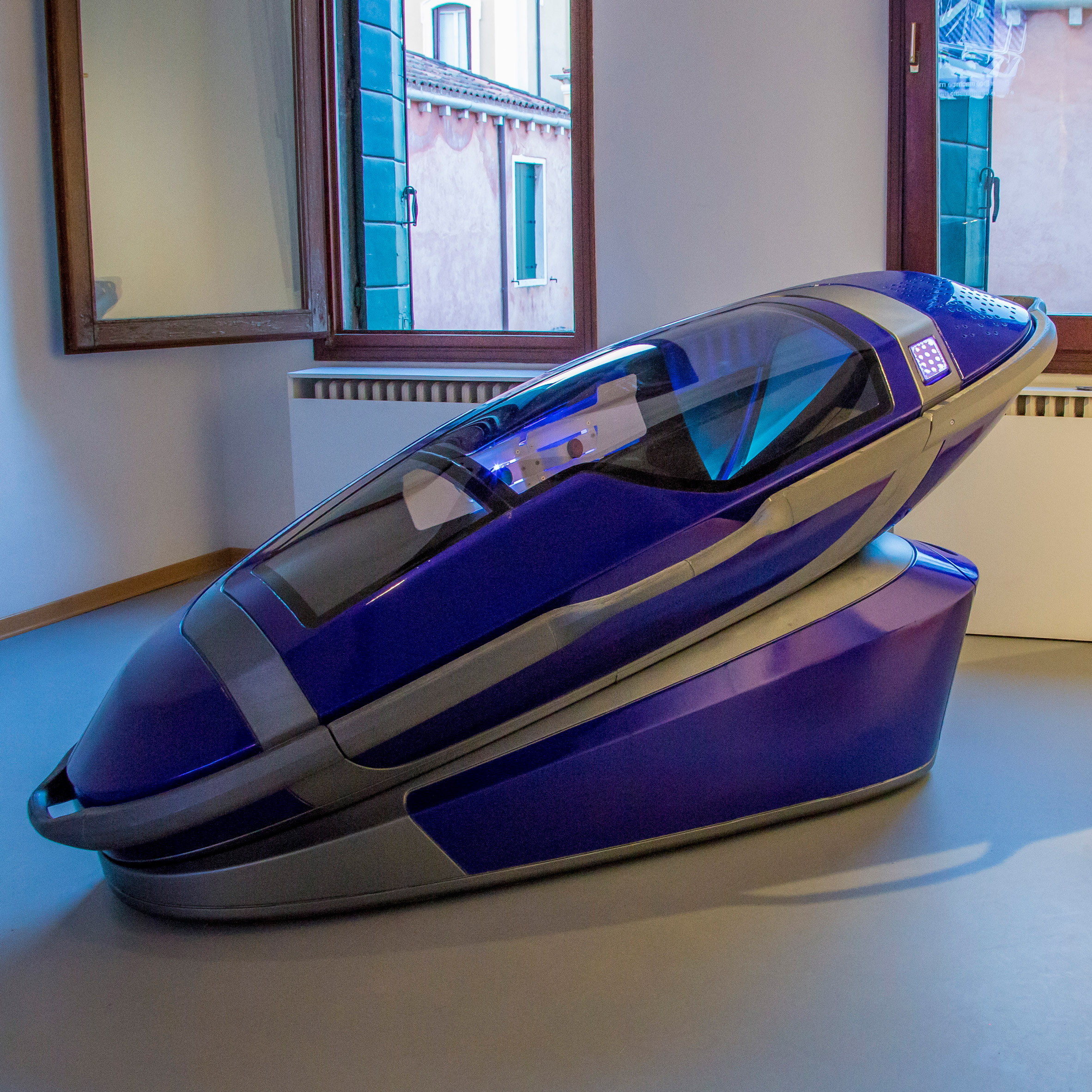
A 3D-printable ‘Death Pod’ has been making headlines recently for its unique design and controversial purposes. This portable device is said to provide a stylish and peaceful way for individuals to choose euthanasia as an option for the end of their lives.
Peaceful and Stylish Euthanasia Option
The ‘Death Pod’, as it is popularly known, has been developed with the intention of providing a dignified and painless way for individuals to end their lives. The sleek design and portability of the pod are aimed at making the process as comfortable as possible for the user.
 The creators of the ‘Death Pod’ believe that individuals should have the right to choose how they want to end their lives. They argue that euthanasia should not be seen as a taboo subject, but rather as a personal decision that should be respected and supported.
Controversy Surrounding Euthanasia
Euthanasia is a highly controversial topic that elicits strong opinions from different segments of society. While some argue that euthanasia provides a compassionate and humane option for individuals suffering from unbearable pain, others believe that it goes against the sanctity of life and undermines the efforts of medical professionals to save lives.
 The ‘Death Pod’ adds another layer to this ongoing debate, as it offers a potentially more accessible and convenient method for individuals considering euthanasia. With the ability to be 3D-printed, this device could become widely available to those who wish to end their lives in a peaceful and private manner.
Dissenting Voices and Ethical Concerns
Despite the intentions behind the creation of the ‘Death Pod’, there are many voices that express concern about the potential ethical implications of such a device. One of the main concerns is the fear of abuse and the potential for individuals to make impulsive decisions without fully exploring alternative options.
 Additionally, critics argue that the availability of a 3D-printable ‘Death Pod’ could inadvertently normalize euthanasia and reduce the value placed on palliative care and other end-of-life support services. They argue that more efforts should be directed towards improving the quality of life for those facing terminal illnesses rather than offering a quick and permanent solution.
Final Thoughts
The ‘Death Pod’ presents a challenging dilemma that forces us to confront our beliefs about the right to die and the value of life. While some argue that individuals should have the autonomy to make decisions about their own lives, others highlight the potential dangers and ethical concerns surrounding a device like the ‘Death Pod’.
 In an increasingly interconnected world, it is important for society to engage in open and respectful discussions about topics such as euthanasia. Ultimately, the development and use of the ‘Death Pod’ highlights the complexities of end-of-life decisions and the need for comprehensive and compassionate approaches to caring for individuals facing terminal illnesses.
Disclaimer: The content presented in this post is for informational purposes only and does not reflect the views or opinions of the author. The data used in this post was sourced from various online publications and is purely fictional.
