Guardianship is a crucial legal process that enables one person to take care of and make decisions on behalf of another person, typically a minor or an individual with certain incapacities. This significant responsibility ensures the protection and well-being of those who are unable to care for themselves adequately. If you find yourself in a position where you need to establish guardianship, it is essential to understand the legal requirements and have the appropriate documentation in place.
Temporary Guardianship Forms
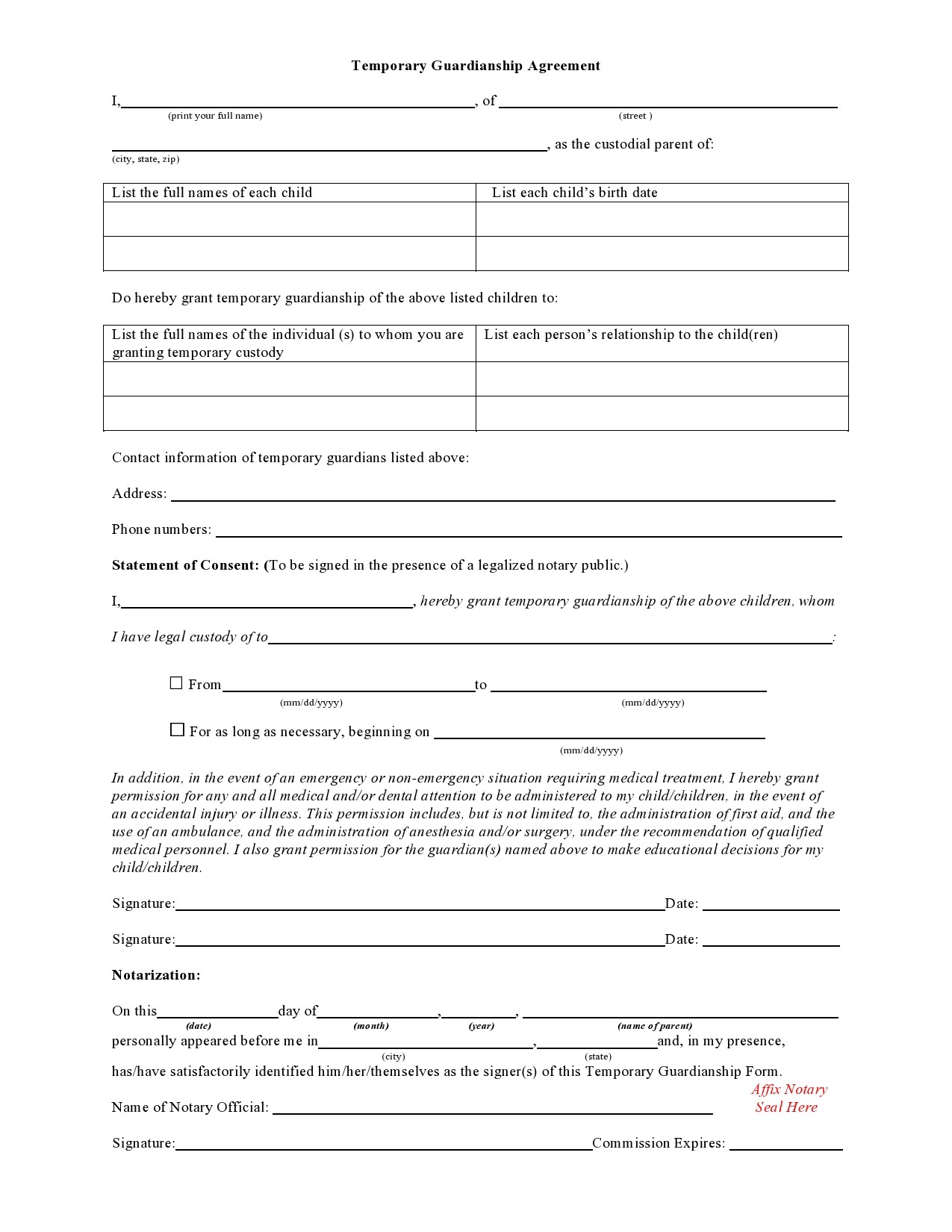 Firstly, it is important to comprehend the concept of temporary guardianship. Temporary guardianship allows individuals to transfer legal custody of a child or incapacitated adult for a specific period. This may occur during a medical emergency, a parent’s temporary absence, or other unforeseen circumstances.
Temporary guardianship forms, such as the one shown above, play a vital role in documenting and formalizing the temporary transfer of authority. These forms typically outline the duration of the guardianship, the specific powers bestowed upon the temporary guardian, and any conditions or restrictions associated with the arrangement.
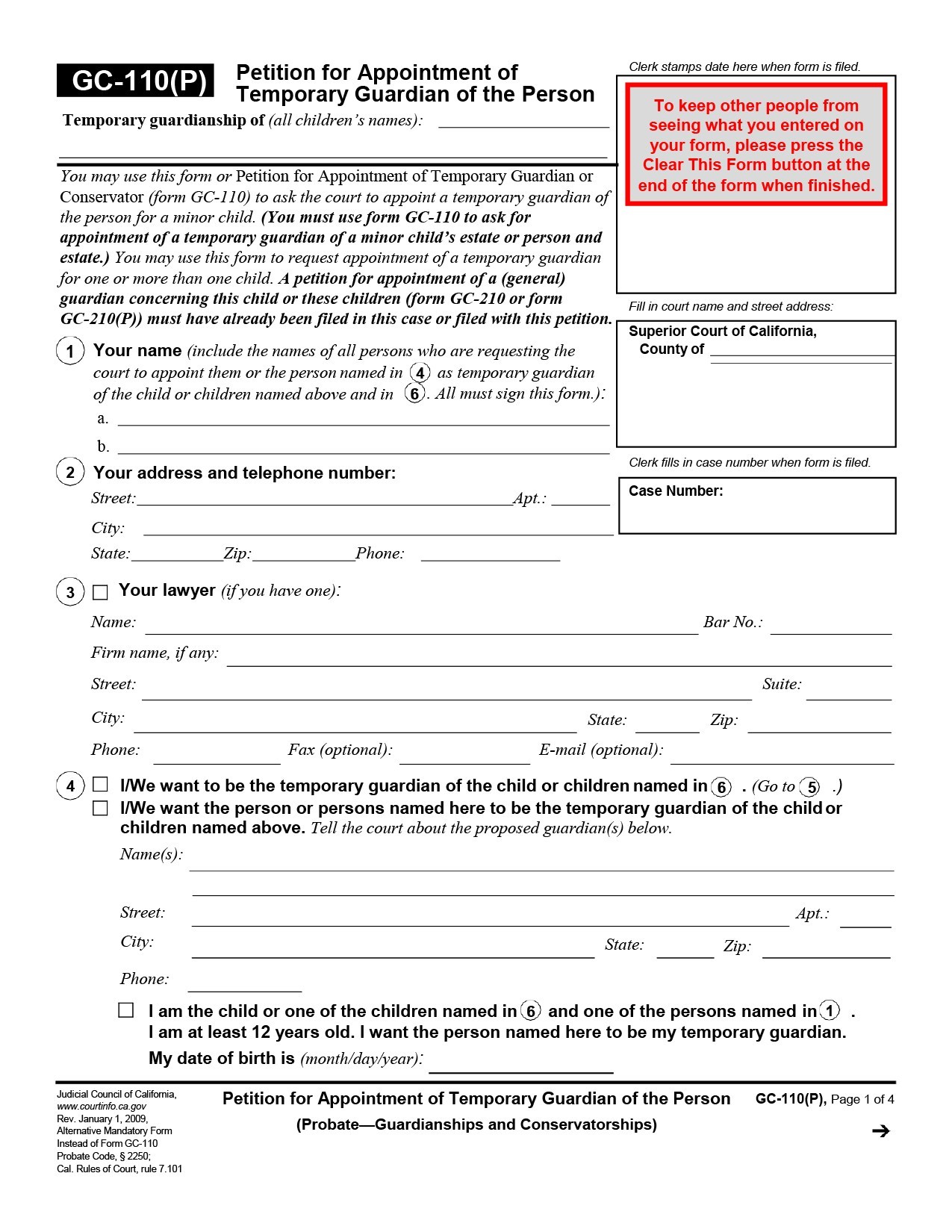 When utilizing temporary guardianship forms, it is crucial to ensure that all parties involved clearly understand the terms and conditions of the arrangement. This includes the biological or legal parents, the temporary guardian, and the individual being placed under temporary guardianship.
Temporary guardianship forms are designed to provide a sense of security and legal protection for all parties involved. By having the necessary documentation in place, individuals can ensure that the best interests of the child or incapacitated adult are always prioritized.
Permanent Guardianship Forms
While temporary guardianship is meant to address short-term situations, permanent guardianship is intended to establish a long-term legal relationship between the guardian and the individual in need of care.
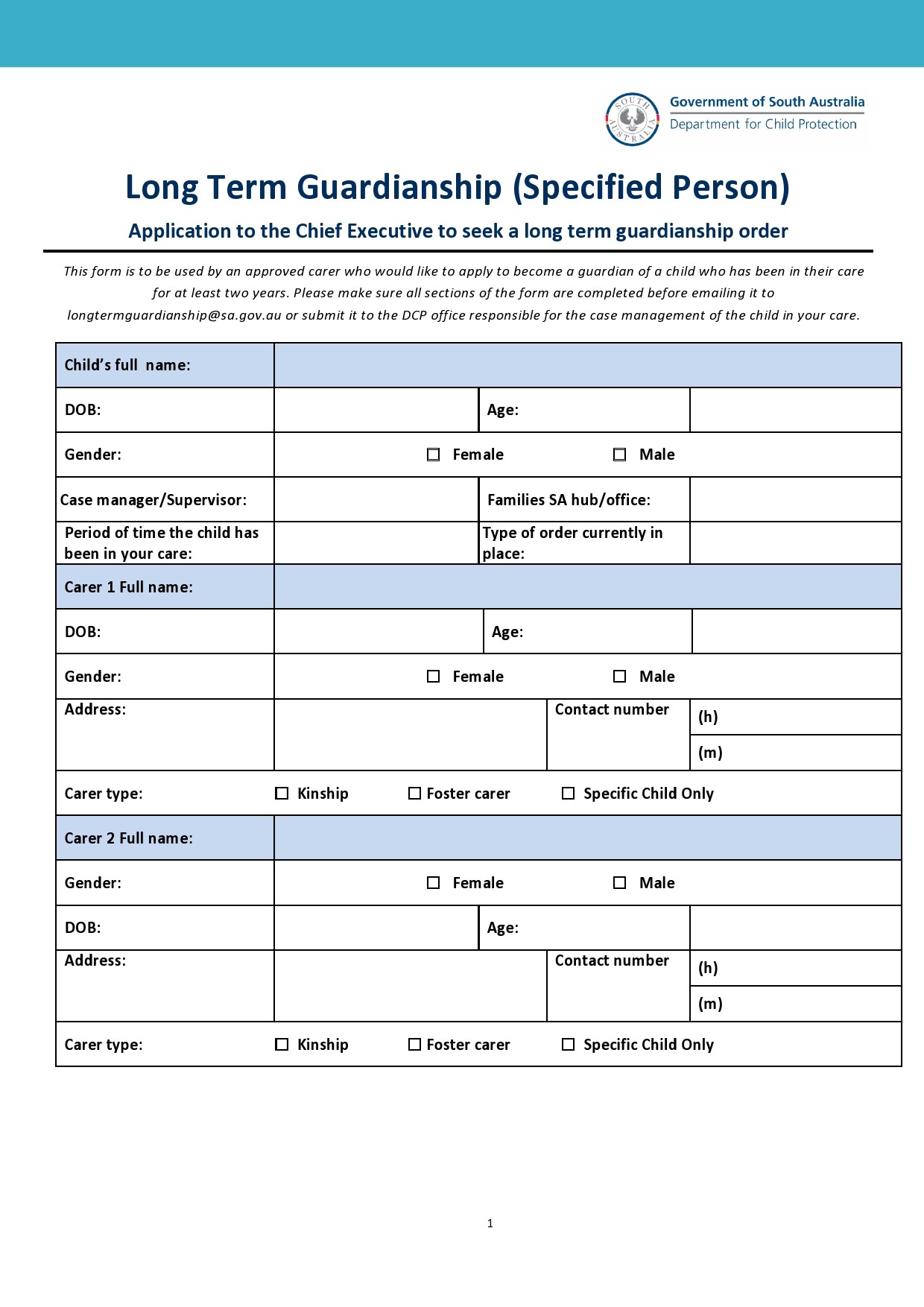 Permanent guardianship forms, similar to the one shown above, are utilized to formalize a legal transfer of parental rights from the biological or legal parents to the permanent guardian. This process is often undertaken when it is deemed in the best interests of the child to have a permanent guardian who can provide a stable and nurturing environment.
The requirements for establishing permanent guardianship vary depending on the jurisdiction. These forms may require information such as the current legal parents’ consent or relinquishment of rights, the intended permanent guardian’s background check, and any supporting documentation that demonstrates the necessity of the guardianship arrangement.
 Once all the necessary documentation has been completed and submitted, a court proceeding is often conducted to review the information and determine the suitability of the intended permanent guardian. This hearing is typically an opportunity for all parties involved to present their case and demonstrate why the permanent guardianship is in the best interests of the child or incapacitated individual.
It is important to recognize that permanent guardianship is a significant and life-changing responsibility. The guardian assumes all legal and financial obligations for the individual under their care. Therefore, it is crucial to approach the establishment of permanent guardianship with careful consideration and ensure that all parties involved are well-informed and provided with the necessary legal protections.
Conclusion
Whether you are seeking temporary or permanent guardianship, proper documentation is essential. The forms shown throughout this article provide a starting point for creating legally sound guardianship agreements.
Legal guardianship ensures that vulnerable individuals are protected and have their best interests represented in decision-making processes. By utilizing these forms and following the legal procedures, individuals can navigate the complexities of guardianship and ensure the well-being of those in need.
