Describing your pain accurately is crucial when communicating with healthcare professionals. One common method used to measure and convey pain levels is the 0-10 pain scale. However, recent research has suggested that relying solely on this scale may lead to misunderstandings and ineffective pain management.
Alternative Approaches to Describing Pain
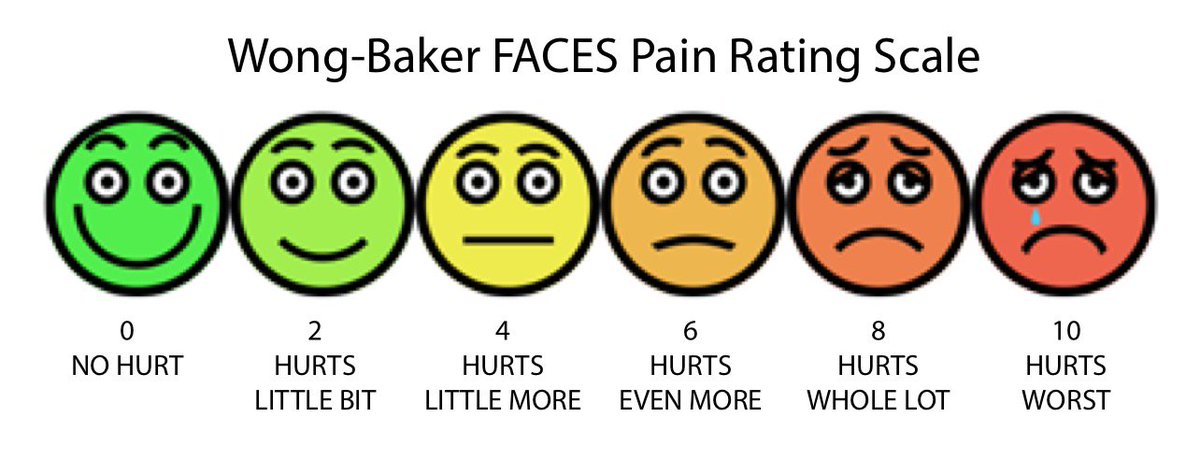
One approach gaining recognition is the use of pain faces scale. This scale provides a visual representation of different pain levels, allowing patients to select the face that most closely matches their current pain experience. The Wong-Baker faces pain scale, in particular, has gained popularity due to its simplicity and effectiveness in assessing pain in different age groups.
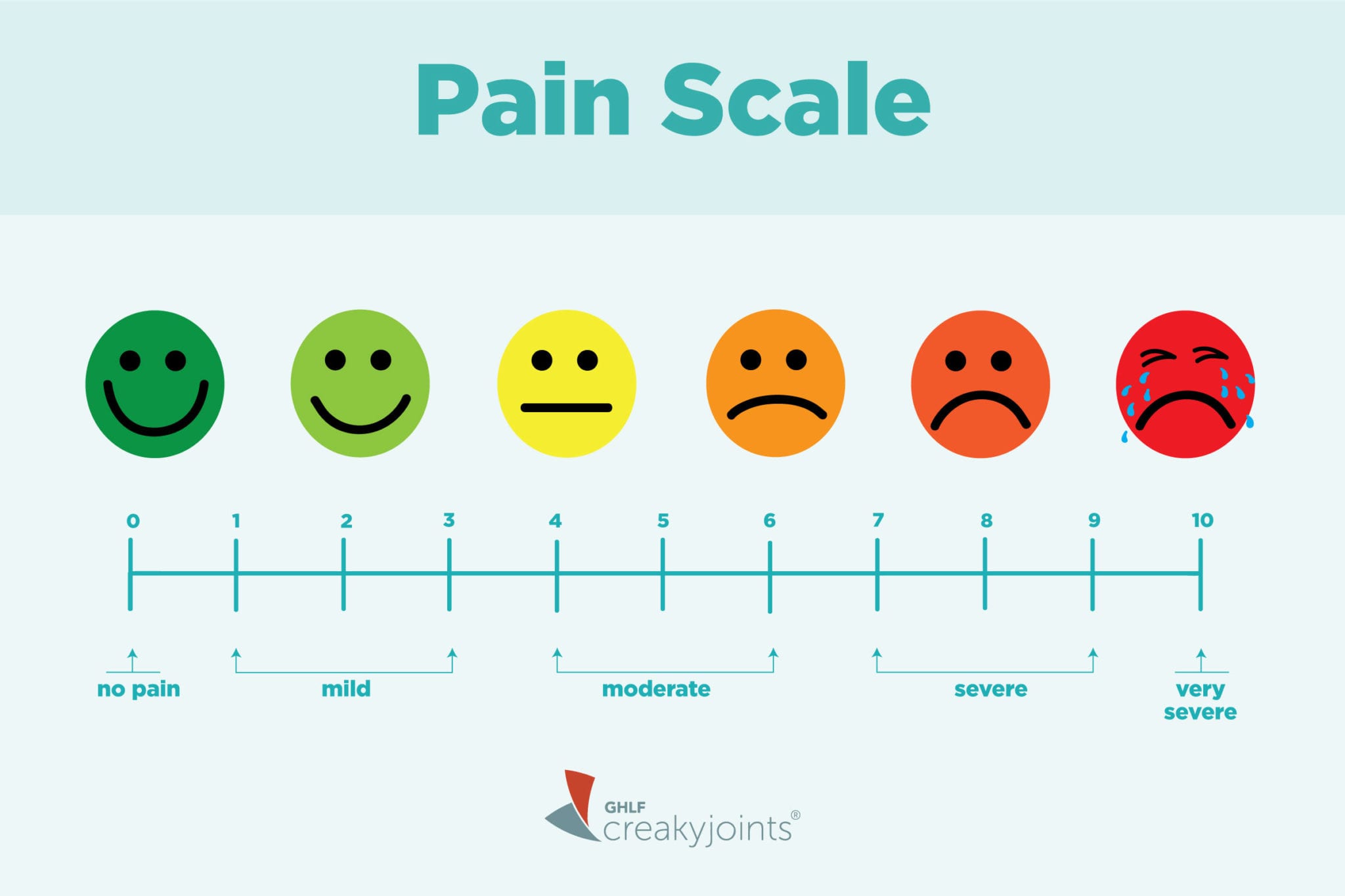 While the 0-10 pain scale is still widely used, healthcare providers are increasingly recognizing the limitations of this approach. Pain is a subjective experience, influenced by numerous factors such as individual pain tolerance, cultural background, and emotional state. Relying solely on a numerical rating may not capture the full complexity of a patient’s pain experience.
The Importance of Visual Cues
Visual cues can be particularly helpful when describing pain, especially for patients who struggle to articulate their discomfort. The pain faces scale offers a range of expressions, from a smiling face indicating no pain to a tearful face denoting severe pain. Using this scale, patients can easily point to the face that best represents their current pain level.
 Another benefit of the pain faces scale is its universality. It can be used across different cultures and languages, removing potential language barriers and ensuring consistent pain assessment.
Utilizing Printable Pain Scales
Printable pain scales provide additional flexibility and accessibility in pain assessment. Patients can print these scales at home and bring them to healthcare appointments to aid in the description of their pain levels.
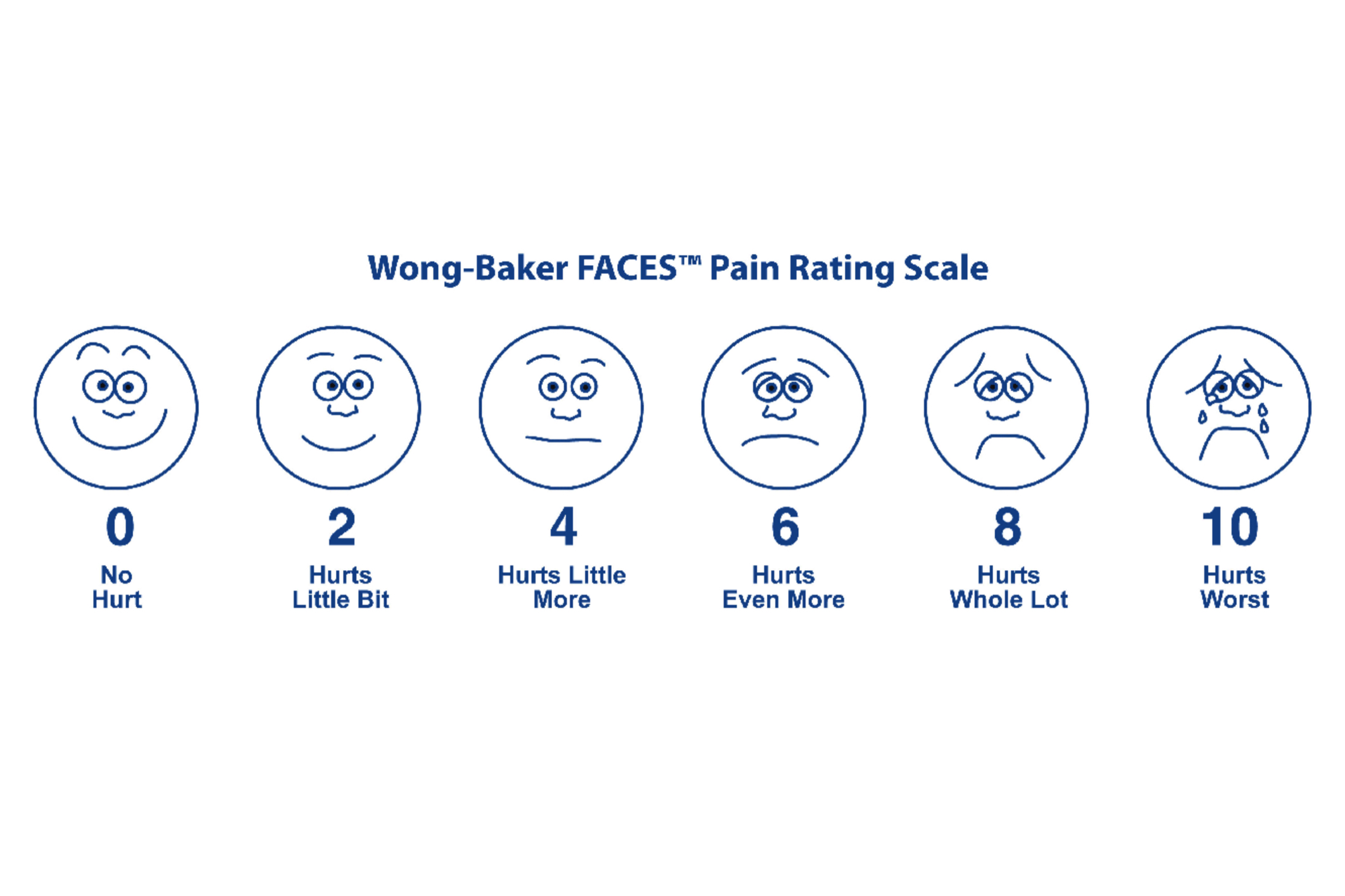 Furthermore, healthcare providers can use these printable scales to track pain levels over time. This allows for a more comprehensive understanding of pain patterns and can assist in developing personalized treatment plans.
Facilitating Communication and Understanding
Effective pain assessment involves open and honest communication between patients and healthcare professionals. The pain faces scale can help bridge the communication gap by providing a visual representation that is easily understood by both parties.
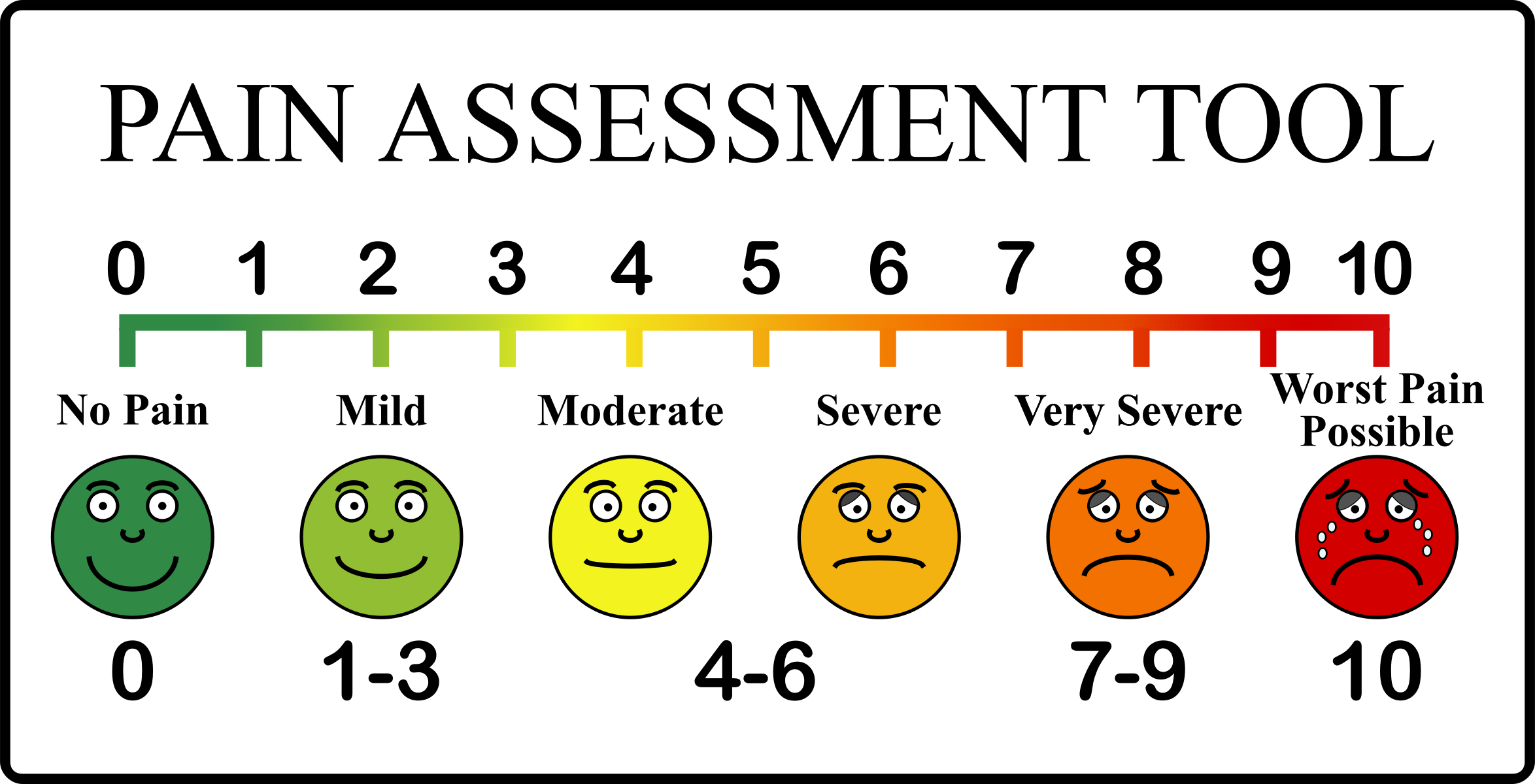 Including patients in the assessment process empowers them to actively participate in their own care, leading to more accurate diagnoses and tailored treatment plans. Healthcare professionals can also use pain scales to educate patients about pain management strategies and set realistic expectations for pain relief.
Conclusion
When it comes to describing and assessing pain, a multi-dimensional approach is essential. While the 0-10 pain scale has its merits, incorporating alternative methods such as the pain faces scale and printable pain scales can significantly enhance understanding and communication between patients and healthcare professionals.
 By recognizing the limitations of the traditional pain scale and embracing these innovative approaches, healthcare providers can better support their patients in effectively managing their pain and improving their overall quality of life.
