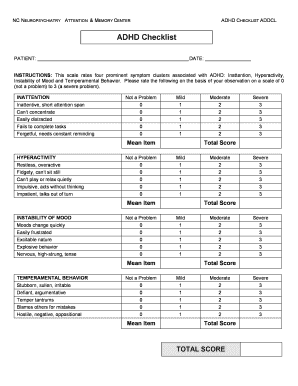
Living with ADD/ADHD can be challenging, but there are several ways to manage the symptoms without relying on medication. It is important to understand that everyone’s experience with ADD/ADHD is unique, and what works for one person may not work for another. However, here are five strategies that have shown promise in treating ADD/ADHD:
- Establish a Routine
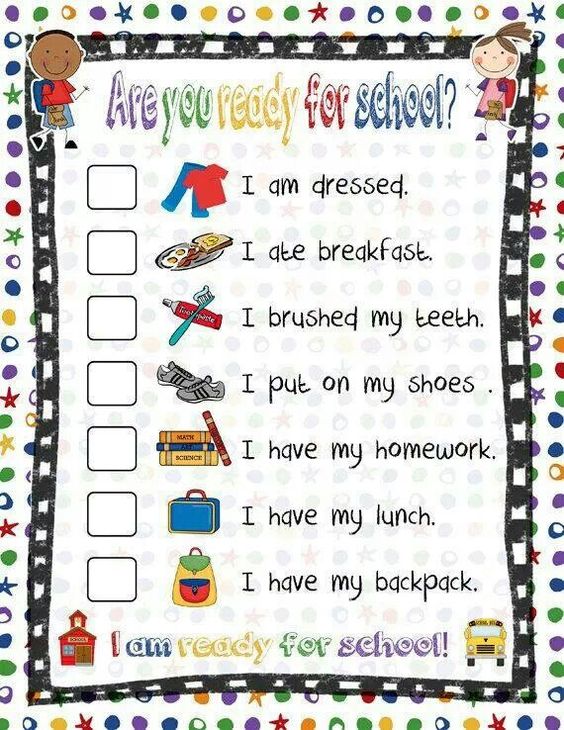 Creating a structured routine can help individuals with ADD/ADHD stay organized and manage their time effectively. This can include scheduling specific blocks of time for different activities, setting reminders, and utilizing checklists to keep track of tasks.
- Practice Mindfulness and Meditation
 Mindfulness and meditation techniques have been found to improve focus and concentration in individuals with ADD/ADHD. These practices involve training the mind to stay present, increasing awareness of thoughts and emotions, and promoting relaxation.
- Utilize Behavioral Therapy
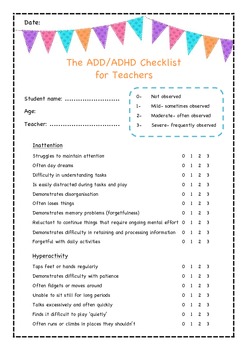 Behavioral therapy can be highly effective in helping individuals with ADD/ADHD manage their symptoms. This therapy focuses on identifying and modifying behaviors that are problematic, as well as teaching new skills and strategies for self-regulation.
- Implement Exercise and Physical Activity
 Engaging in regular exercise and physical activity has been shown to improve cognitive function and decrease symptoms of ADD/ADHD. Exercising releases endorphins, which can help boost mood and increase focus and attention.
- Explore Alternative Treatments
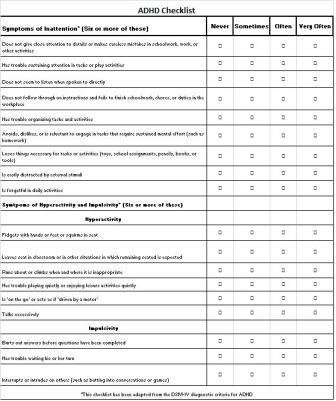 Some individuals have found success in managing ADD/ADHD symptoms through alternative treatments such as acupuncture, herbal supplements, and neurofeedback. It is important to approach these treatments with caution and consult with a healthcare professional.
It is essential to note that these strategies may not completely eliminate the symptoms of ADD/ADHD, but they can significantly improve daily functioning and quality of life. It is always advisable to consult with a healthcare professional before making any changes to your treatment plan.
Remember, living with ADD/ADHD does not define you. With the right strategies and support, individuals with ADD/ADHD can thrive and achieve their goals.
Sources:
Disclaimer: The information provided in this article is for educational purposes only and should not be considered as professional medical advice. Please consult with a healthcare professional before making any changes to your treatment plan.
ADHD checklist with signs and characteristics of attention deficit disorder:
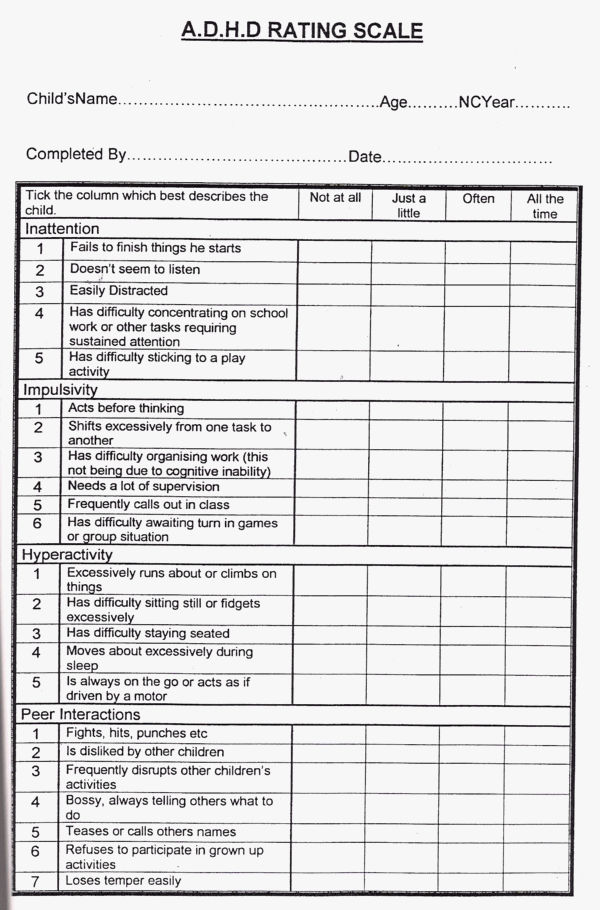 ADHD checklist with Signs and Symptoms For Children:
 Free Printable ADHD Worksheets:
 ADHD Checklist | ADHD Assessment Tools For Adults:
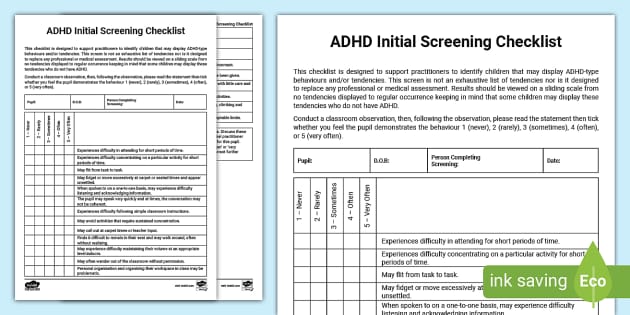 ADHD Checklist Child Printable - Fill Online, Printable, Fillable: