Today, I would like to share with you some insightful information about daily behavior report forms. Daily behavior report forms play a significant role in monitoring and documenting behavior on a daily basis. They serve as a valuable tool for parents, teachers, and other professionals in maintaining a record of behavior patterns. These forms offer a structured way to track behaviors, identify areas of concern, and implement appropriate interventions.
Behaviors That Can Be Tracked
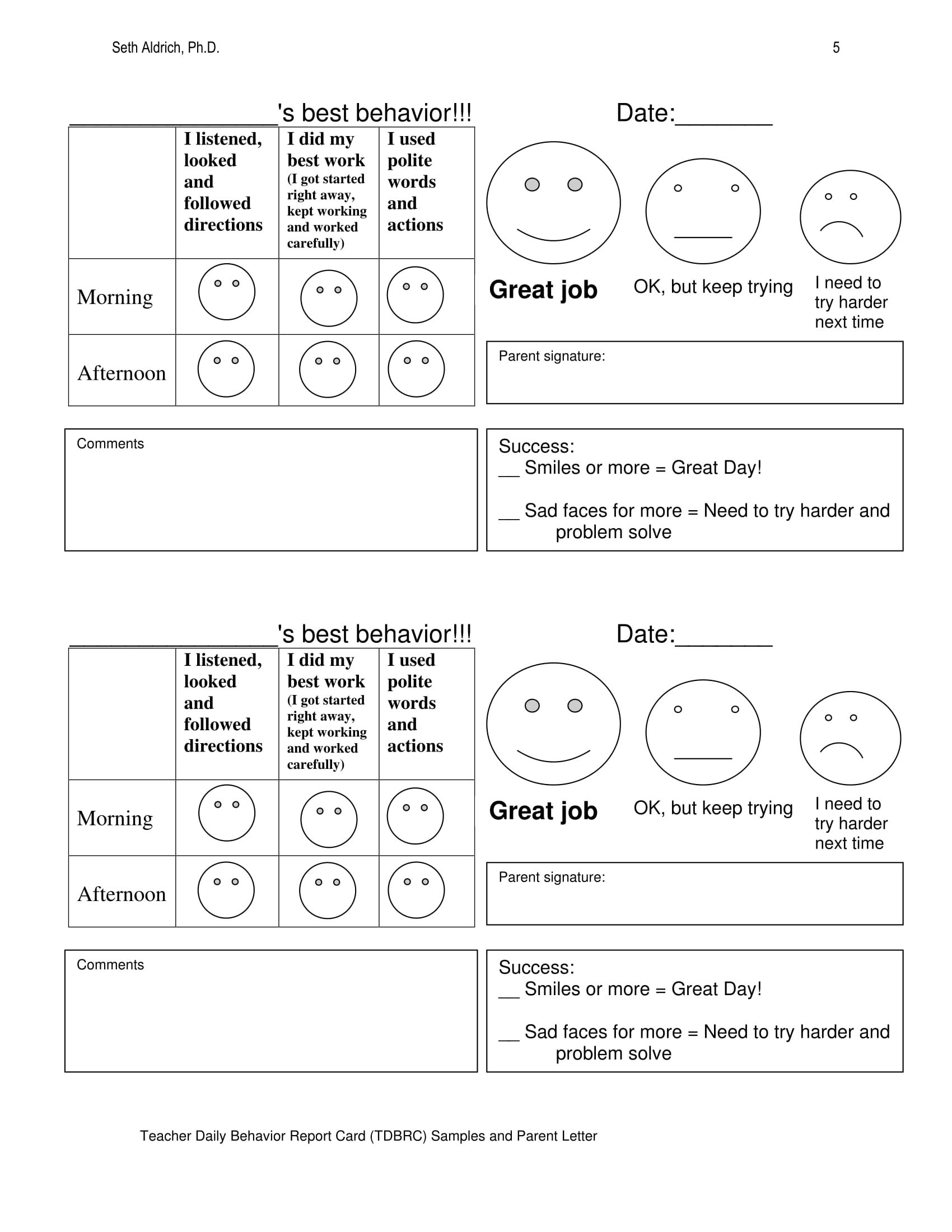 One of the key advantages of using daily behavior report forms is their versatility. These forms can be customized to track a wide range of behaviors depending on the specific needs of the individual. Some common behaviors that can be tracked include:
- Classroom behavior
- Social interactions
- Emotional regulation
- Task completion
- Homework completion
- Attendance and punctuality
- Compliance with rules
- Problem-solving skills
The Importance of Daily Behavior Reports
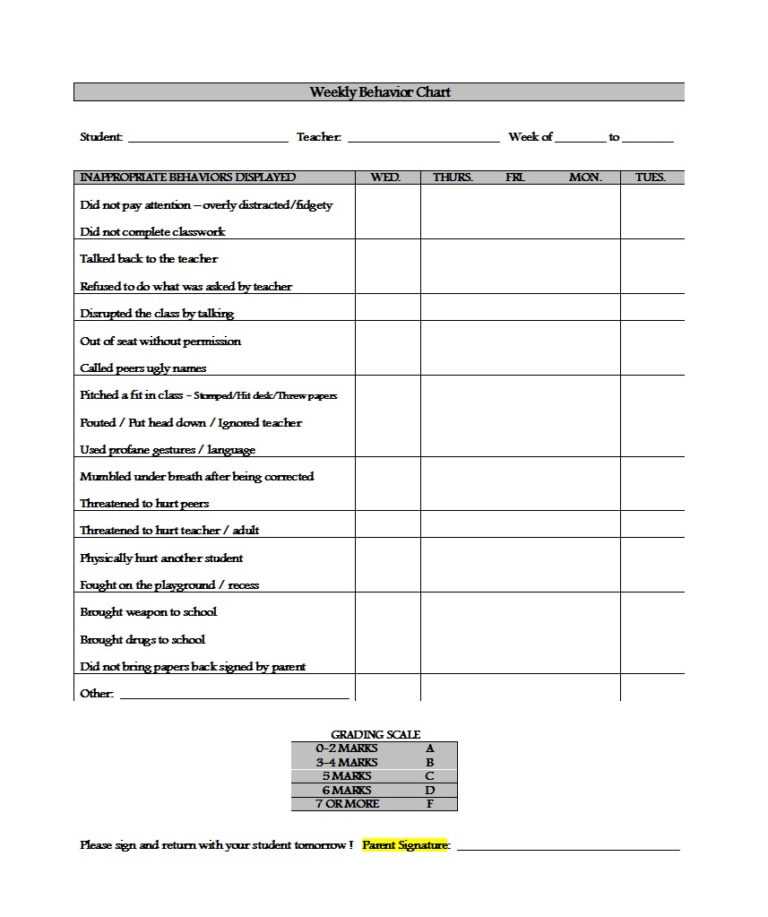 Daily behavior reports are crucial for several reasons. Firstly, they provide a consistent method of collecting data, which is essential for accurately monitoring behavior over time. By tracking behavior on a daily basis, patterns emerge, and any changes or trends can be identified more easily.
Secondly, daily behavior reports promote effective communication between parents, teachers, and other professionals. They serve as a platform for sharing information about a child’s behavior, progress, and areas of concern. This collaboration is essential in developing appropriate strategies to support the child’s needs.
Furthermore, daily behavior reports can be used as a motivational tool for individuals. By setting specific goals and providing positive reinforcement, these reports can encourage positive behavior and help individuals develop essential skills such as self-control, problem-solving, and self-regulation.
Customizable Templates
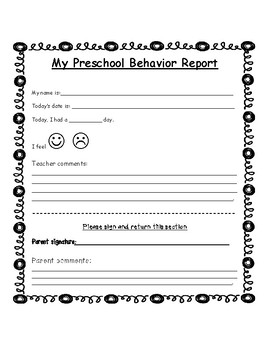 There are numerous daily behavior report templates available that can be easily customized to suit individual needs. These templates offer a structured format that simplifies the process of tracking and analyzing behavior. Here are a few examples of customizable daily behavior report templates:
- Preschool Daily Behavior Report: This template is specifically designed for preschool-aged children and focuses on key areas such as behavior, participation, and mood.
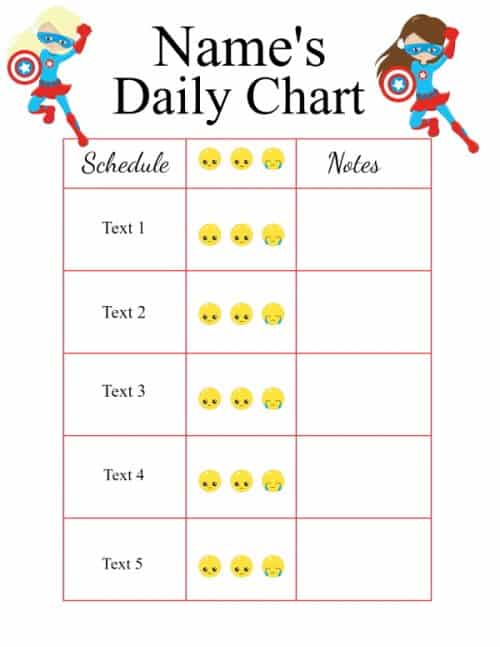
- Daily Behavior Chart: A visually appealing chart that allows individuals to track their behavior and earn rewards based on their progress.
Effective Implementation Strategies
 Implementing daily behavior reports effectively requires careful consideration and planning. Here are some strategies to ensure successful implementation:
- Clear Communication: Establish clear expectations and guidelines for the daily behavior reports. Ensure that all parties involved understand the purpose and significance of the reports.
- Consistency: Consistently track and document behavior on a daily basis to ensure accurate data collection. This will help in identifying patterns and trends effectively.
- Positive Reinforcement: Incorporate a system of positive reinforcement to motivate individuals to engage in positive behaviors. This can include rewards, verbal praise, or recognition for their efforts.
- Collaboration: Encourage open communication between parents, teachers, and other professionals to ensure that everyone is on the same page regarding the individual’s behavior and progress.
- Goal Setting: Set specific goals that individuals can work towards, creating a sense of purpose and direction.
Conclusion
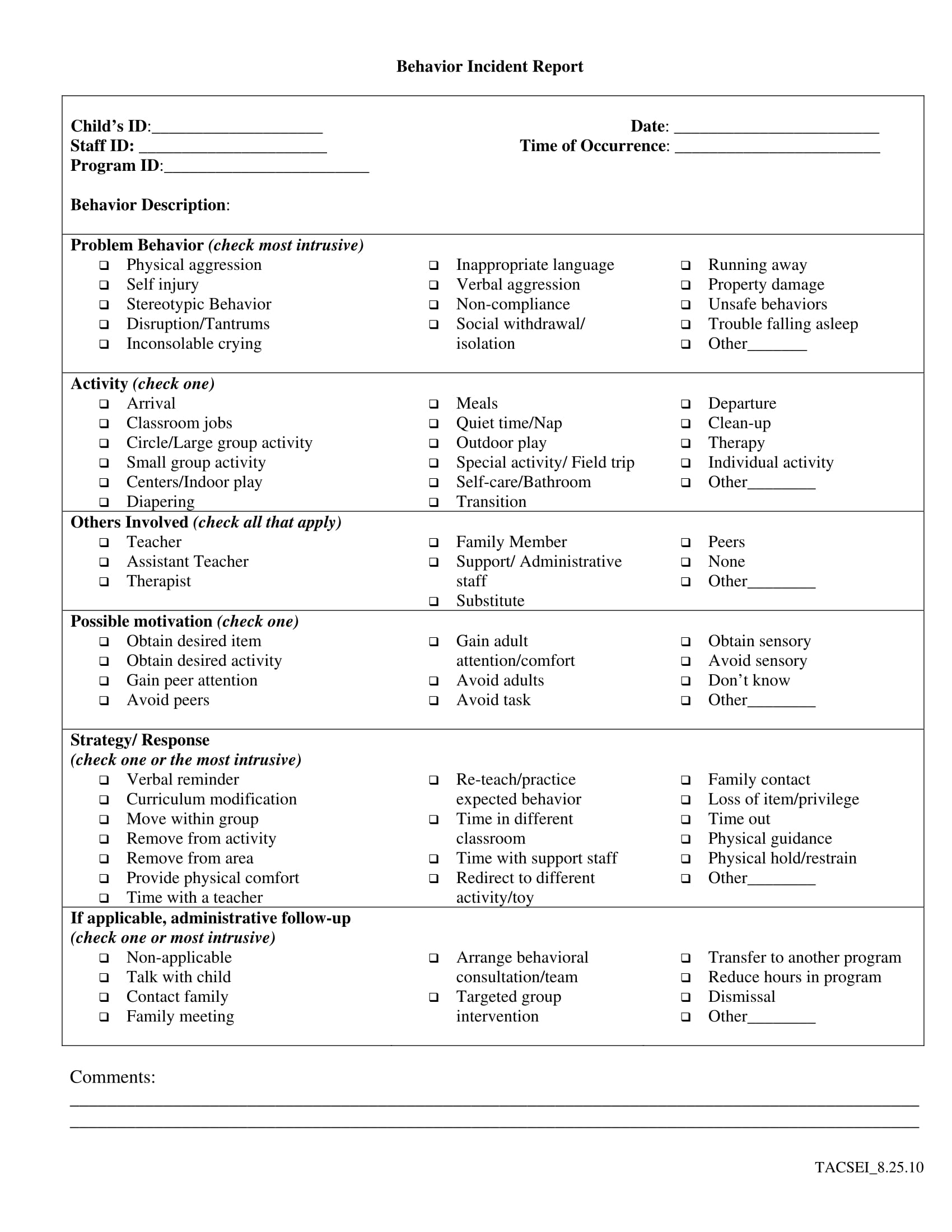 In conclusion, daily behavior report forms are a valuable tool for monitoring and documenting behavior on a daily basis. They provide a structured system for tracking behaviors, identifying areas of concern, and implementing appropriate interventions. Daily behavior reports promote effective communication, collaboration, and positive behavior change. These customizable templates can be easily adapted to suit individual needs and offer a platform for setting goals and providing positive reinforcement. By implementing daily behavior reports effectively, individuals can develop essential skills and achieve positive behavior change.
Remember, tracking and documenting behavior is a continuous process that requires consistent effort and collaboration. By using daily behavior report forms, we can gain valuable insights, foster positive behavior change, and support individuals in their personal growth and development.
