Hand exercises are an essential part of maintaining the strength and flexibility of our hands and fingers. Whether you are recovering from an injury, managing a chronic condition, or simply looking to improve your hand dexterity, incorporating hand exercises into your daily routine can make a significant difference. In this post, I will share some helpful hand exercises along with the benefits they provide.
Hand Therapy Exercises: Strengthening and Stretching
 One of the simplest and most effective hand exercises is finger squeezing. Hold a soft ball or stress ball in your hand and squeeze it as hard as possible. Then, release the grip slowly and repeat this exercise several times. Finger squeezing helps to strengthen the muscles in your hand and improve grip strength.
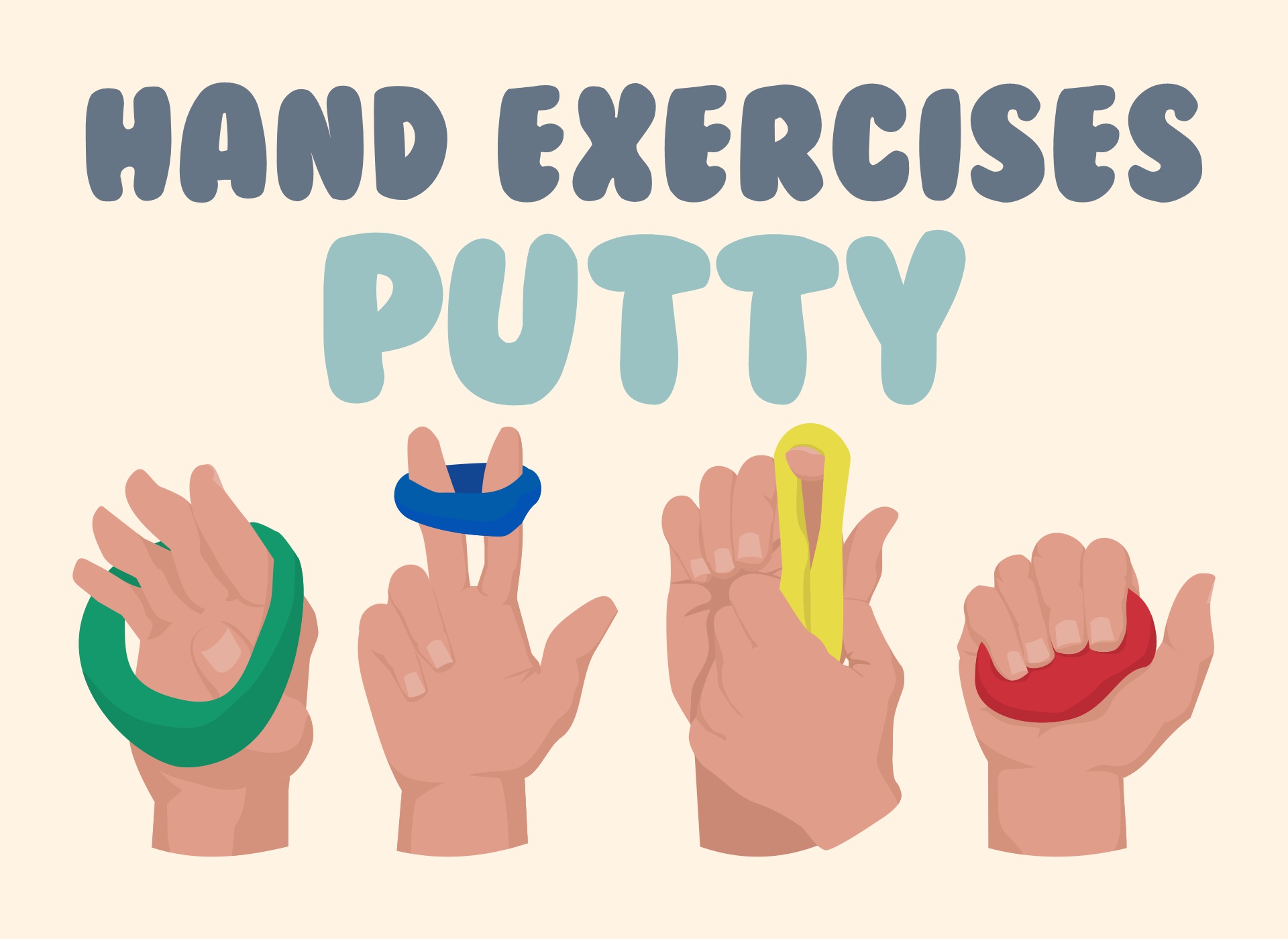 Another commonly recommended exercise is hand stretching using therapeutic putty. Roll the putty between your hands or squeeze it to strengthen your hand muscles. You can also use the putty to perform finger stretches by pressing your fingers into the putty and separating them. This exercise helps to improve flexibility and range of motion in your fingers.
 If you have access to a Theraband or resistance band, you can utilize it for hand and wrist exercises. Secure one end of the band to a stable object and hold the other end with your hand. Slowly flex and extend your wrist against the resistance of the band. This exercise helps to strengthen the muscles in your wrist and improve stability.
Occupational Therapy: Promoting Functionality
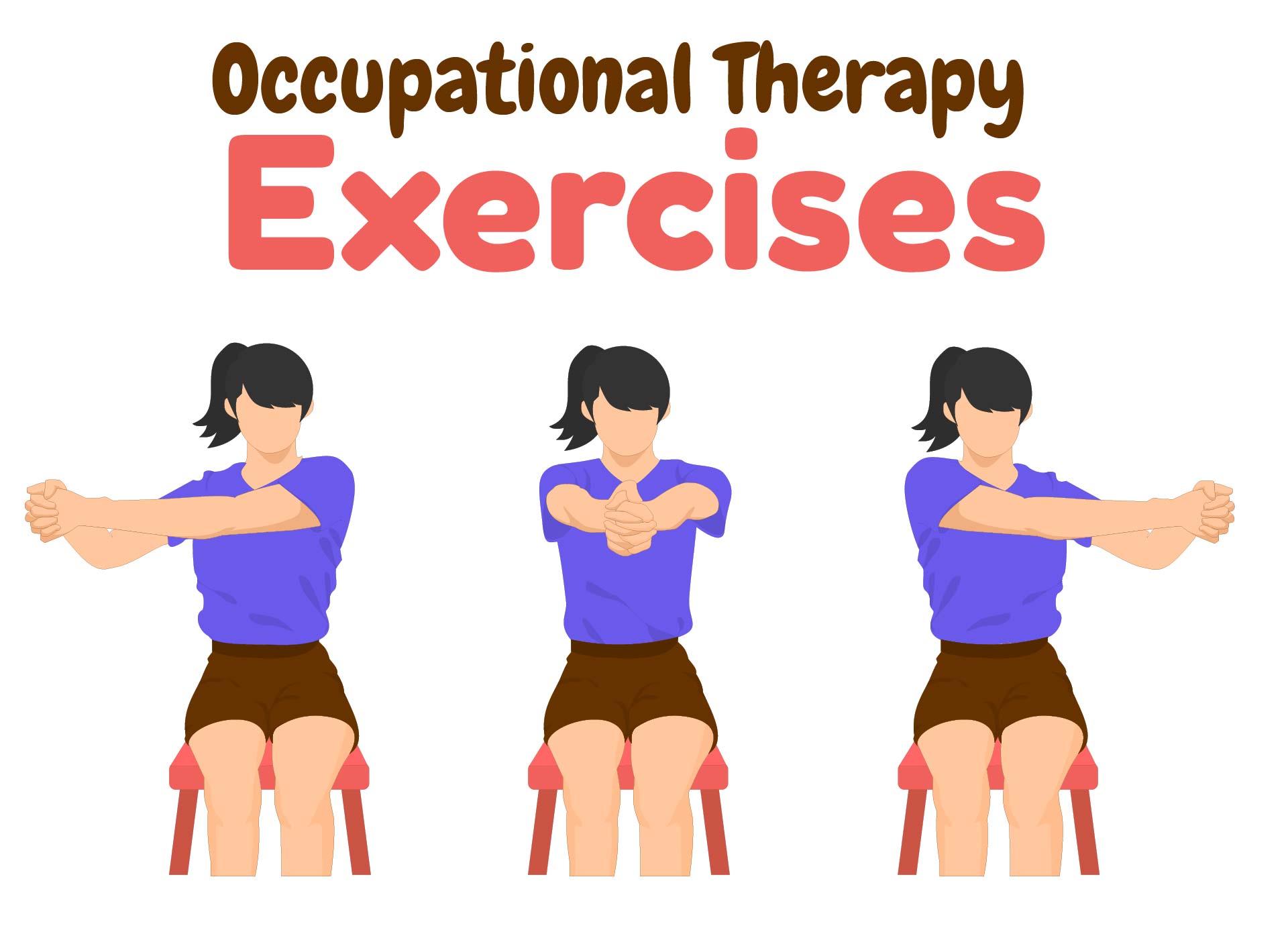
 Occupational therapy plays a vital role in helping individuals regain functionality in their hands and promoting independence in daily activities. Hand therapists are skilled professionals who work closely with patients to develop personalized treatment plans and exercise programs.
 Finger exercises are commonly used in occupational therapy to improve finger coordination and control. One such exercise is finger tapping, where you touch your thumb to each finger in a sequential manner. This exercise helps to enhance fine motor skills and hand-eye coordination.
 Wrist exercises are also an essential part of occupational therapy. One exercise involves holding a small weight or a can of food in your hand with your palm facing downwards. Gently raise your hand towards your body and then lower it back down. This exercise helps to improve wrist strength and stability.
Benefits of Hand Exercises
 Regularly performing hand exercises offers numerous benefits. Firstly, it can help to prevent or reduce hand pain and stiffness. Keeping the muscles and joints in your hands active through exercise can alleviate discomfort caused by conditions such as arthritis or repetitive strain injuries.
 Hand exercises also improve finger and hand strength, enhancing your ability to perform everyday tasks such as gripping objects, writing, or typing. Moreover, these exercises can aid in the recovery process from hand injuries or surgeries by promoting healing, reducing scar tissue formation, and regaining range of motion.
 Furthermore, hand exercises promote improved coordination and dexterity. By training the muscles and tendons in your hands, you can enhance your ability to manipulate objects with precision and perform complex movements. This can be particularly beneficial for individuals involved in activities that require fine motor skills, such as playing a musical instrument or crafting.
Conclusion
 Incorporating hand exercises into your daily routine can have a significant impact on the health and functionality of your hands. The exercises mentioned in this post are a great starting point, but it is important to consult with a healthcare professional or occupational therapist to determine the most suitable exercises for your specific needs. By dedicating a few minutes each day to these exercises, you can maintain or improve the strength, flexibility, and coordination of your hands.


